
Why Preventive Veterinary Care Matters for Dogs and Cats
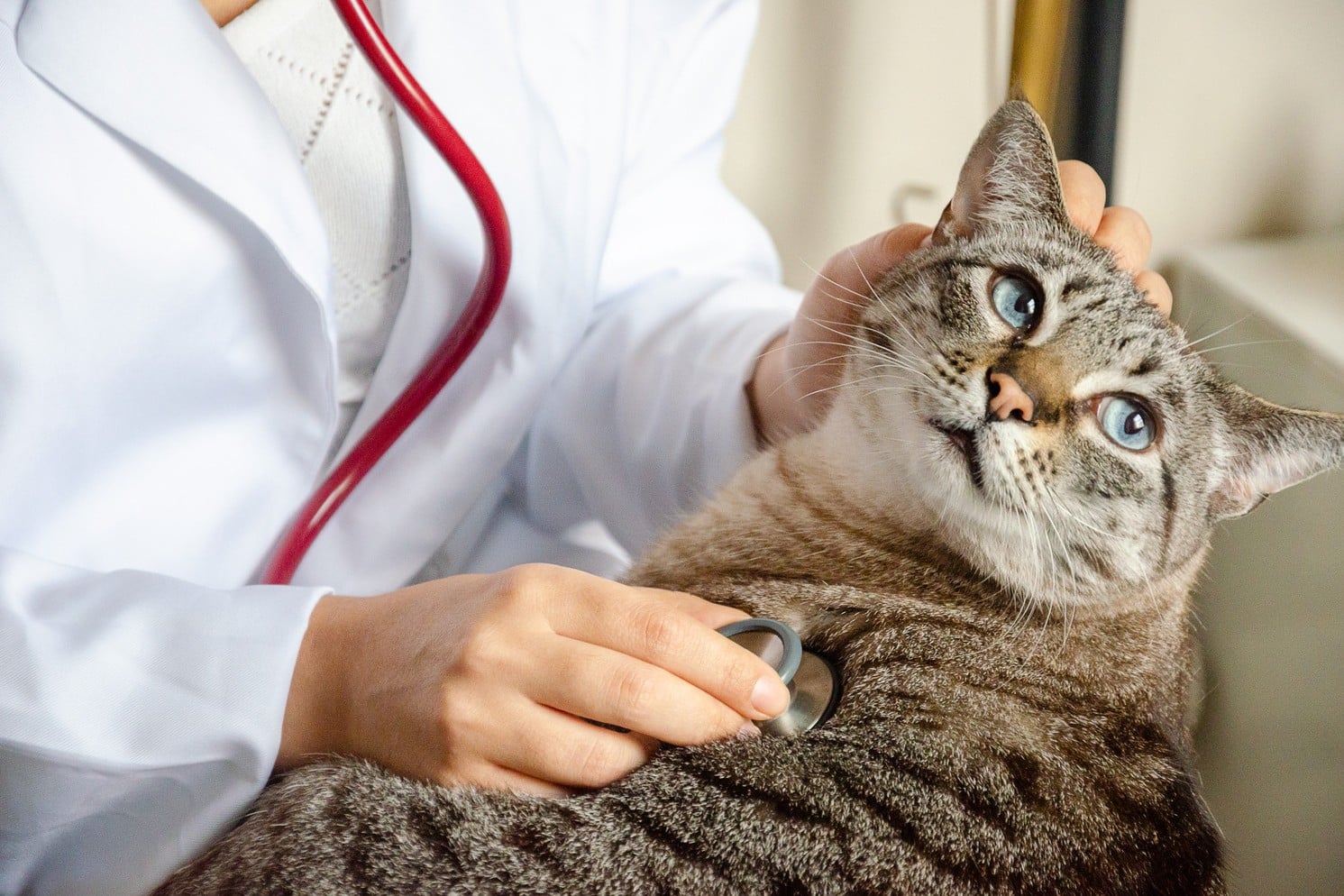
Preventive veterinary care matters because dogs and cats hide illness well, and by the time something looks wrong at home, it has usually been developing for a while. Routine visits give your veterinarian a chance to find dental disease, extra weight, parasites, and early organ changes while they’re small, less expensive, and much easier to treat. If you’re a pet owner in Centerton, AR, and you’ve wondered whether a checkup is worth the trip when your dog or cat seems perfectly fine, you’re asking the right question. Those uneventful visits are where most of the real work of keeping a pet healthy gets done.
So what does that work look like? A preventive visit usually starts with a nose-to-tail exam that covers the eyes, ears, teeth and gums, heart and lungs, belly, joints, skin, and weight. From there, your veterinarian matches vaccines and parasite prevention to how your pet actually lives, whether that’s a dog who swims in farm ponds or a cat who never leaves the couch. Screening bloodwork fills in what a hands-on exam can’t see. None of this is busywork. The American Animal Hospital Association reports that most dogs and cats show signs of dental disease by age three and that roughly half of all pets are overweight, so problems are common even in pets who look healthy.
At Embrace Vet Care, preventive visits are built around your particular pet rather than a fixed checklist. Dr. Sandy Jernigan has more than eight years of experience in small animal medicine, and she would rather tailor a plan to your pet and your household than follow the “gold standard” just because it’s the default. Her exams look past the obvious, too, checking joint mobility, behavior, and stress along with the usual vitals. If cost or a nervous pet has kept you from coming in, we get it. Our team uses gentle, low-stress handling, and we’re happy to talk through what your pet needs now versus what can wait, so you can make the call with real information.
This Article Will Address
- What preventive care includes for dogs and cats
- Why routine visits matter even when your pet seems healthy
- How prevention can add years to a pet’s life
- Which diseases vaccines, parasite control, and screening help prevent
- How the cost of prevention compares to treating illness
- How low-stress visits make it easier to stay on schedule
What Is Preventive Care for Dogs and Cats?
Preventive care is the routine veterinary care that keeps a healthy pet healthy. Instead of waiting for a symptom, you and your veterinarian check in on a schedule and handle the basics before they turn into problems. For most pets, that includes:
- A full physical exam once or twice a year, depending on age and health
- Core vaccines, plus lifestyle vaccines based on where your pet goes and who they meet
- Year-round heartworm, flea, tick, and intestinal parasite prevention
- Screening tests such as bloodwork, heartworm testing, and fecal checks
- Dental exams, with professional cleanings when tartar or gum disease shows up
- Conversations about diet, weight, and behavior
Each piece covers a different risk, which is why our approach to wellness care for pets treats them as one plan instead of a string of separate appointments. Puppies, kittens, and seniors need a different rhythm than healthy adults, and we cover visit timing in our post on how often dogs and cats should have routine wellness exams.
Why Is Preventive Care Important for Pets?
Preventive care is important because pets can’t tell you when something hurts, and many common diseases cause no visible signs until they’re advanced. Cats are especially good at this. A cat with sore teeth will often keep eating, just more carefully, and a dog with early kidney changes may act completely normal for months.
Regular visits also give us something you can’t get any other way: a baseline. When we run bloodwork on a healthy five-year-old dog, those numbers become the normal we compare against later. A kidney or liver value that’s still technically within range but has crept up since last year tells us far more than a single test ever could. It lets us adjust the diet, start a medication, or recheck sooner, long before you’d notice your pet drinking more water or losing weight.
These visits are also when owners finally ask the questions that get pushed aside during a sick visit, like why the dog suddenly hates the car or whether a senior cat’s new hiding habit means something.
Can Preventive Care Help Pets Live Longer?
Yes. Preventive care can’t promise a longer life, but it lowers the risk of the diseases most likely to shorten one and catches others while treatment still works well. The AAHA and AVMA preventive healthcare guidelines point to a checkup at least once a year as one of the best ways to help pets live as long as possible, with exams every six months for seniors.
Weight is a good example of how this plays out. A 14-year study of Labrador retrievers found that dogs fed 25 percent less than their littermates lived a median of almost two years longer and developed arthritis later. Small changes made at a routine weigh-in, like trimming a quarter cup from each meal, add up over a lifetime. Dental care works the same way. Untreated gum disease means ongoing pain and infection, and AAHA notes it can take years off a pet’s life. Catching it early usually means a cleaning instead of several extractions.
What Diseases Can Routine Vet Care Help Prevent?
Routine vet care prevents several serious infectious and parasitic diseases outright, and it catches many chronic conditions early enough to slow them down. On the prevention side, the list includes:
- Parvovirus and distemper in dogs, and panleukopenia in cats, all covered by core vaccines and all potentially deadly for young animals
- Rabies, which is fatal and which pets are required by law to be vaccinated against
- Leptospirosis, a bacterial infection dogs can pick up from standing water and wildlife urine, and one that can spread to people
- Heartworm disease, which mosquitoes spread and a monthly or injectable preventive stops
- Fleas, ticks, and intestinal worms, some of which also infect humans
- Periodontal disease, which veterinary dental care keeps in check with exams and cleanings
On the early-detection side, annual bloodwork can flag chronic kidney disease, diabetes, liver disease, and thyroid problems before symptoms appear. A test called SDMA picks up kidney changes earlier than older markers did, which matters a lot for cats, since kidney disease is one of the most common problems in older cats.
Is Preventive Care Cheaper Than Treating Illness Later?
In most cases, yes. A year of heartworm prevention costs far less than treating an infected dog, which takes a series of injections, weeks of strict rest, and follow-up testing. Cats have no approved heartworm treatment at all, so prevention is the only real option. Parvo is similar: the vaccine series is a small expense next to several days of hospital care for a sick puppy.
That said, preventive care isn’t free, and in a good year you’re paying to hear that your pet is healthy. That’s the goal, but we know the bills still add up. To make budgeting easier, Embrace Vet Care offers VIP and VIP+ wellness plans, monthly subscriptions that roll the routine items into one predictable payment. Both plans include:
- Two exams a year
- Annual vaccines matched to your pet
- Yearly screening, including a complete blood count, organ function panel, SDMA, heartworm or FeLV/FIV testing, and parasite screening, plus thyroid testing for pets seven and older
- Twelve months of parasite prevention
The VIP+ plan adds an annual dental cleaning that covers extractions up to $1,000, which is often where unplanned costs show up for adult pets.
How Can a Low-Stress Visit Make Preventive Care Easier to Keep Up With?
A low-stress visit makes preventive care easier because a calm pet is easier to examine, gives more accurate results, and makes you more likely to come back on schedule. Fear has real medical effects. A frightened cat’s blood sugar can spike high enough to look like diabetes on a lab test, and a stressed dog’s heart rate and blood pressure can climb well above normal, which muddies the picture.
That’s why gentle, fear-free handling is part of every appointment with our team. We move at your pet’s pace, use anxiety reduction strategies when a pet needs them, and take breaks if an exam is becoming too much. You can help at home, too. Leave the carrier out for a few days before the visit so it smells familiar, take a couple of short car rides that end somewhere fun, and bring a favorite treat. Over time, those small steps can turn the vet from something your pet dreads into a place they tolerate, or even like.
Schedule Your Pet’s Preventive Care Visit with Embrace Vet Care
Wondering whether your dog or cat is due? Embrace Vet Care is welcoming new and returning patients in Centerton, AR, and we’d be glad to build a preventive plan that fits your pet and your budget, with honest guidance on what matters now and what can wait. You can schedule a preventive care visit or call 479.715.5444, Monday through Friday from 7:30 am to 4:30 pm. You’re also welcome to look over our full range of veterinary services before you come in.
Sources
Dr. Sandy Jernigan
Dr. Sandy Jernigan is the owner and lead veterinarian at Embrace Vet Care in Centerton, AR, with over eight years of experience in small animal medicine. She’s passionate about whole-body wellness and building lasting relationships with pet owners throughout Northwest Arkansas.
Have questions about your pet’s health? Dr. Jernigan and the caring team at Embrace Vet Care are here to help, committed to educating pet owners and providing tailored care for every furry family member.
