
Dental Cleanings & Exams

Specialized Care for Every Pet
Veterinary Dental Cleanings & Exams in Centerton, AR
Embrace Vet Care provides dental cleanings and exams for dogs and cats in Centerton, AR. Led by Dr. Sandy Jernigan, DVM, our team takes a thoughtful, whole-body approach to pet dental care, helping identify bad breath, tartar buildup, gum disease, oral pain, and other concerns that can affect your pet’s comfort and long-term health. If your pet has visible buildup, red gums, chewing changes, or has not had a recent oral health exam, we invite you to schedule a visit with our team.
Dental disease is one of the most common health concerns in dogs and cats, and it can be easy to miss at home. Pets often hide pain, continue eating despite discomfort, or show only subtle changes in behavior. A professional veterinary dental exam gives us a closer look at your pet’s teeth, gums, breath, bite, and overall oral health so we can recommend care that fits your pet’s needs.
At Embrace Vet Care, we do not believe in one-size-fits-all medicine. We look at your pet’s mouth as part of their total health picture, then guide you through practical next steps with clear communication and compassion.
Why Does My Pet Need a Dental Exam?
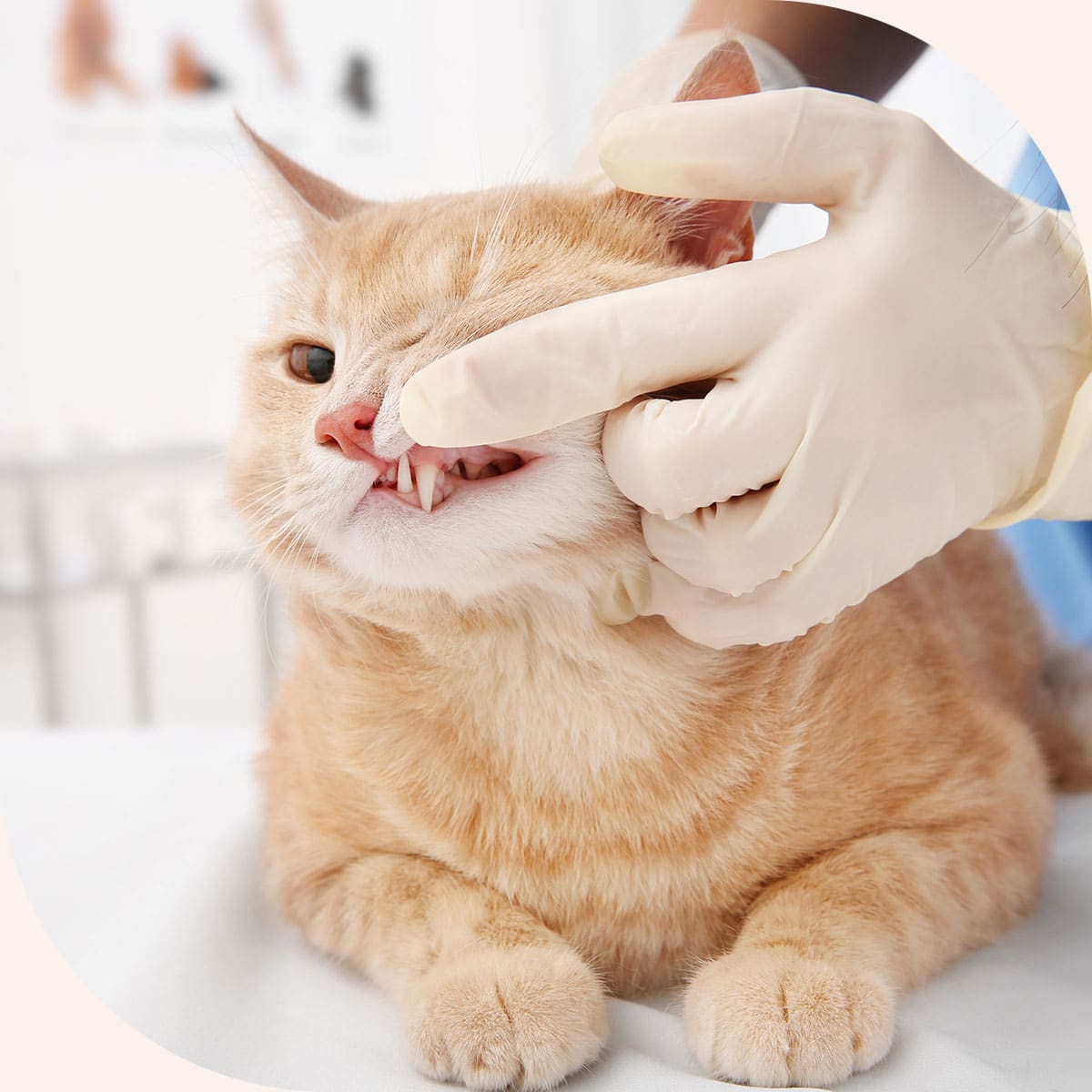
A pet dental exam helps us evaluate your dog or cat’s teeth, gums, and mouth before recommending a cleaning or treatment plan. During the exam, we look for signs of plaque, tartar, gum inflammation, broken teeth, loose teeth, oral pain, infection, and other concerns that may not be obvious at home.
Cats especially benefit from regular cat dental exams because they are very skilled at hiding discomfort. A cat may continue eating even with painful teeth or inflamed gums. Dogs can also adjust to oral pain by chewing on one side of the mouth, eating more slowly, or avoiding hard food.
A dental exam helps us answer important questions, including:
- Does your pet need a professional teeth cleaning?
- Are dental X-rays recommended?
- Is there evidence of gum disease or infection?
- Are any teeth broken, loose, or painful?
- Does your pet need treatment beyond routine cleaning?
- What home care routine is realistic for your pet and family?
Our goal is to help you understand what is happening in your pet’s mouth and make confident choices about their care.
Does My Cat Need a Dental Exam Before a Cleaning?
Yes. A cat dental exam before a cleaning helps us evaluate your cat’s oral health, overall condition, and potential anesthesia needs. Because many feline dental problems happen below the gumline or in areas that are hard to see, an exam is an important first step.
During this visit, we may discuss your cat’s age, medical history, appetite, behavior, breath, and any symptoms you have noticed at home. From there, we can recommend the safest and most effective plan for your cat’s dental cleaning or further care.
What Are the Signs My Pet Needs a Dental Exam?
Your pet may need a dental checkup if you notice changes in their breath, eating habits, gums, or behavior. Dental disease can start quietly, but it often becomes more painful over time.
Common signs your pet may need a veterinary oral exam include:
- Bad breath that does not improve
- Yellow or brown tartar on the teeth
- Red, swollen, or bleeding gums
- Drooling more than usual
- Pawing at the mouth or face
- Trouble chewing
- Dropping food while eating
- Favoring one side of the mouth
- Loose, broken, or missing teeth
- Swelling around the face or jaw
- Decreased appetite
- Irritability or behavior changes
Bad breath is one of the most common signs pet owners notice first. While occasional odor can happen, ongoing foul breath may point to bacteria, plaque buildup, gum inflammation, or infection. A professional pet oral exam can help determine what is causing the problem.
How Do I Know If My Pet Has Dental Disease?
You may suspect pet dental disease if your dog or cat has bad breath, tartar buildup, red gums, chewing changes, or visible discomfort. However, not every problem can be seen by looking at the teeth at home.
Dental disease often affects the tissue below the gumline, including tooth roots and supporting bone. That is why a professional exam, and sometimes dental radiographs, may be needed to understand the full picture. If we find signs of disease, we will explain what we see and walk you through treatment options.
What Happens During a Veterinary Dental Cleaning?
A professional veterinary dental cleaning is more detailed than brushing the teeth. It allows the veterinary team to clean areas that cannot be reached with home care, especially below the gumline where bacteria and dental disease often develop.
The process may vary based on your pet’s needs, but it commonly includes an exam, anesthesia, monitoring, scaling, polishing, and recovery support.
Pre-Cleaning Dental Exam and Health Review
Before a professional teeth cleaning, we evaluate your pet’s mouth and overall health. We may review your pet’s age, medical history, current medications, eating habits, and symptoms you have noticed at home.
This step helps us create a safer and more personalized plan. Dr. Jernigan’s approach focuses on thoughtful recommendations instead of automatic treatment. We want each pet’s care plan to make sense medically while also fitting the family’s goals and concerns.
Anesthesia and Patient Monitoring
Most professional pet teeth cleanings are performed under anesthesia. This allows us to safely examine the mouth, clean below the gumline, take X-rays when recommended, and reduce stress for your pet.
While your pet is under anesthesia, the veterinary team monitors important health indicators and supports your pet throughout the procedure. Our team takes this responsibility seriously and uses careful protocols to help protect comfort and safety.
Scaling Above and Below the Gumline
During the cleaning, plaque and tartar are removed from the visible surface of the teeth and beneath the gumline. This is one of the most important parts of the procedure because gumline bacteria can contribute to inflammation, infection, tooth loss, and pain.
A professional dog dental cleaning or cat dental cleaning reaches areas that toothbrushes, chews, and home products cannot fully address once tartar has hardened.
Dental X-Rays When Recommended
Dental X-rays may be recommended to evaluate the tooth roots, jawbone, and structures below the gumline. Some painful dental problems are hidden below the surface and may not be visible during a basic visual exam.
X-rays can help identify concerns such as root disease, bone loss, tooth fractures, abscesses, or teeth that may need further treatment. If imaging is recommended, we will explain why it may help your pet.
Polishing, Recovery, and Home Care Guidance
After scaling, the teeth are polished to smooth the tooth surface. Your pet is then monitored during recovery as they wake up from anesthesia. Before your pet goes home, we will explain what was found, what care was performed, and what to watch for after the visit.
We may also recommend a home care routine to help support your pet’s oral hygiene between visits.
Are Pet Dental Cleanings Done Under Anesthesia?
Yes, professional pet dental cleanings are typically performed under anesthesia. This helps keep your pet still, comfortable, and safe while the veterinary team completes a thorough cleaning and oral evaluation.
Pets do not understand why dental instruments are being used in their mouth. Even gentle pets may become anxious, move suddenly, or resist handling when their mouth is examined closely. Anesthesia allows us to work carefully without causing unnecessary fear or discomfort.
Why Does My Pet Need Anesthesia for Teeth Cleaning?
Your pet needs anesthesia for teeth cleaning because a complete procedure requires more than cleaning the visible tooth surface. We need to safely examine the mouth, clean below the gumline, evaluate each tooth, and take dental X-rays when recommended.
Without anesthesia, it is not possible to perform the same level of cleaning beneath the gumline. Awake cleanings may make the teeth look cleaner on the surface, but they can miss the areas where dental disease often begins.
Anesthesia also helps protect your pet from stress and allows the veterinary team to complete the procedure more safely and thoroughly.
How Often Should Dogs and Cats Have Dental Cleanings?
The right schedule for dog dental cleanings and cat dental cleanings depends on your pet’s age, breed, oral health, diet, chewing habits, home care routine, and history of dental disease.
Many pets benefit from a dental exam at least once a year, often during a wellness visit. Some pets may need professional cleanings more often, especially if they have heavy tartar buildup, gum inflammation, tooth crowding, chronic health concerns, or previous dental problems.
Small breed dogs may develop tartar more quickly. Senior pets may need closer monitoring. Cats can develop painful dental conditions that are difficult to detect without an exam.
At Embrace Vet Care, we recommend dental care based on your pet as an individual. We will help you understand whether your pet needs a cleaning now, should be monitored, or may benefit from changes to their home care routine.
How Much Does a Pet Dental Cleaning Cost?
The cost of a dental cleaning can vary based on your pet’s size, age, oral health, recommended diagnostics, anesthesia needs, dental X-rays, severity of tartar, and whether additional treatment is needed.
A simple cleaning for a young pet with mild buildup may be very different from a cleaning for a senior pet with advanced dental disease, loose teeth, infection, or medical concerns that require extra planning. Cat dental care can also vary for the same reasons.
Because every pet’s mouth is different, the best way to understand your pet’s needs is to schedule a dental exam. Our team can evaluate your pet, explain what we find, and discuss recommended next steps before moving forward.
Can Brushing My Pet’s Teeth at Home Prevent Dental Cleanings?
Brushing your pet’s teeth at home can make a meaningful difference, but it does not always prevent the need for professional dental care. Brushing helps reduce plaque before it hardens into tartar. Once tartar forms, it usually needs to be removed with professional scaling.
Home care also cannot fully clean below the gumline, where bacteria can cause inflammation and disease. This is why routine exams and professional cleanings may still be needed, even for pets with a good brushing routine.
Helpful Home Dental Care Habits
To support your pet’s oral health between visits, we may recommend:
- Brushing with pet-safe toothpaste
- Using veterinarian-recommended dental chews
- Choosing dental diets or water additives when appropriate
- Avoiding human toothpaste
- Watching for bad breath, tartar, red gums, or chewing changes
- Scheduling routine wellness and dental exams
- Asking which products are safest for your pet
Our team can help you build a realistic routine. If daily brushing is not possible, we can discuss other options that may still support your pet’s mouth.
How Can I Keep My Pet’s Teeth Healthy Between Vet Visits?
You can help protect your pet’s teeth by building consistent dental hygiene habits at home and staying alert to changes. The best routine is one that is safe, realistic, and matched to your pet’s temperament.
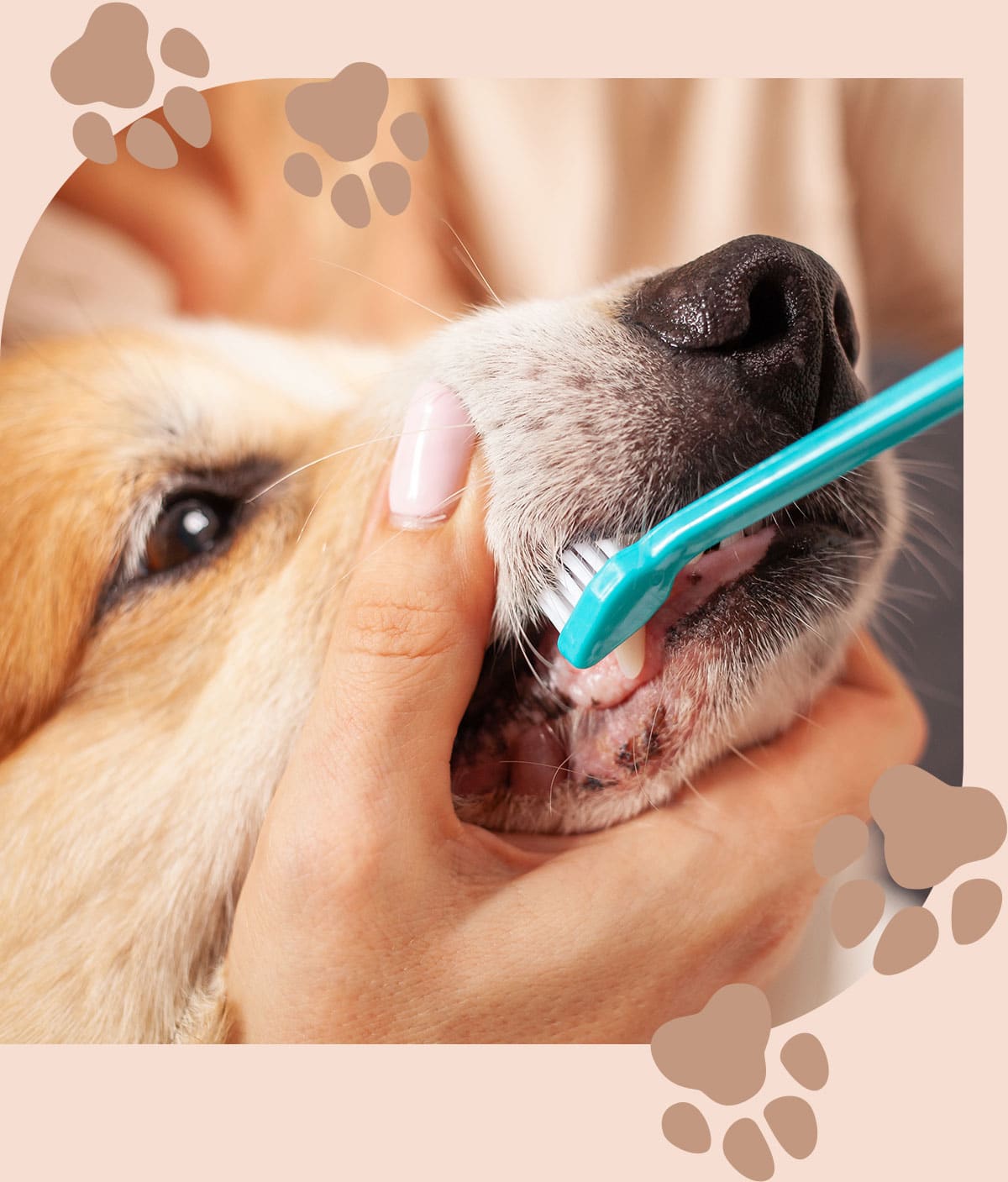
Start by handling your pet’s mouth gently and positively. If your pet allows brushing, use a pet-safe toothbrush and toothpaste. Never use human toothpaste, as it may contain ingredients that are unsafe for pets.
You can also ask our team about dental products designed for dogs and cats. Some chews, rinses, diets, and additives may help reduce plaque, but not every product is right for every pet. We can help you choose options that fit your pet’s health, chewing style, and risk level.
Between visits, watch for:
- Worsening breath
- New tartar buildup
- Red or bleeding gums
- Changes in chewing
- Dropping food
- Pawing at the mouth
- Swelling around the face or jaw
- Reduced interest in food or toys
Early attention can help prevent small dental concerns from becoming more painful or complex.
Why Choose Embrace Vet Care for Pet Dental Exams?
At Embrace Vet Care, pet dental exams are part of a larger commitment to whole-body health. We do not look at the mouth in isolation. Oral health can influence comfort, nutrition, behavior, and overall wellness, so we take time to understand the full picture.
Dr. Sandy Jernigan, DVM, brings over eight years of experience in small animal medicine and a care philosophy built on compassion, communication, and collaboration. Our recommendations are personalized to your pet’s needs, not based on a rigid formula.
Families choose our practice because we focus on:
- Whole-body veterinary care that looks beyond symptoms
- Low-stress handling to support emotional comfort
- Personalized treatment plans for each pet
- Client education that helps owners make informed decisions
- Long-term wellness instead of short-term fixes
- Compassionate dental care for dogs and cats
We want you to feel informed, supported, and confident before making decisions about your pet’s care.
Schedule a Pet Dental Cleaning or Exam
If your dog or cat has bad breath, tartar buildup, red gums, chewing changes, or has not had a recent dental exam, Embrace Vet Care is here to help. Our team provides thoughtful pet dental cleanings, oral exams, dental X-rays when recommended, and personalized care designed to support comfort and whole-body wellness. Contact Embrace Vet Care today to schedule your pet’s dental checkup in Centerton, AR.


Ready to learn more about how we can support your pet’s health?
