
What Happens During a Pet Wellness Exam in Centerton, AR?
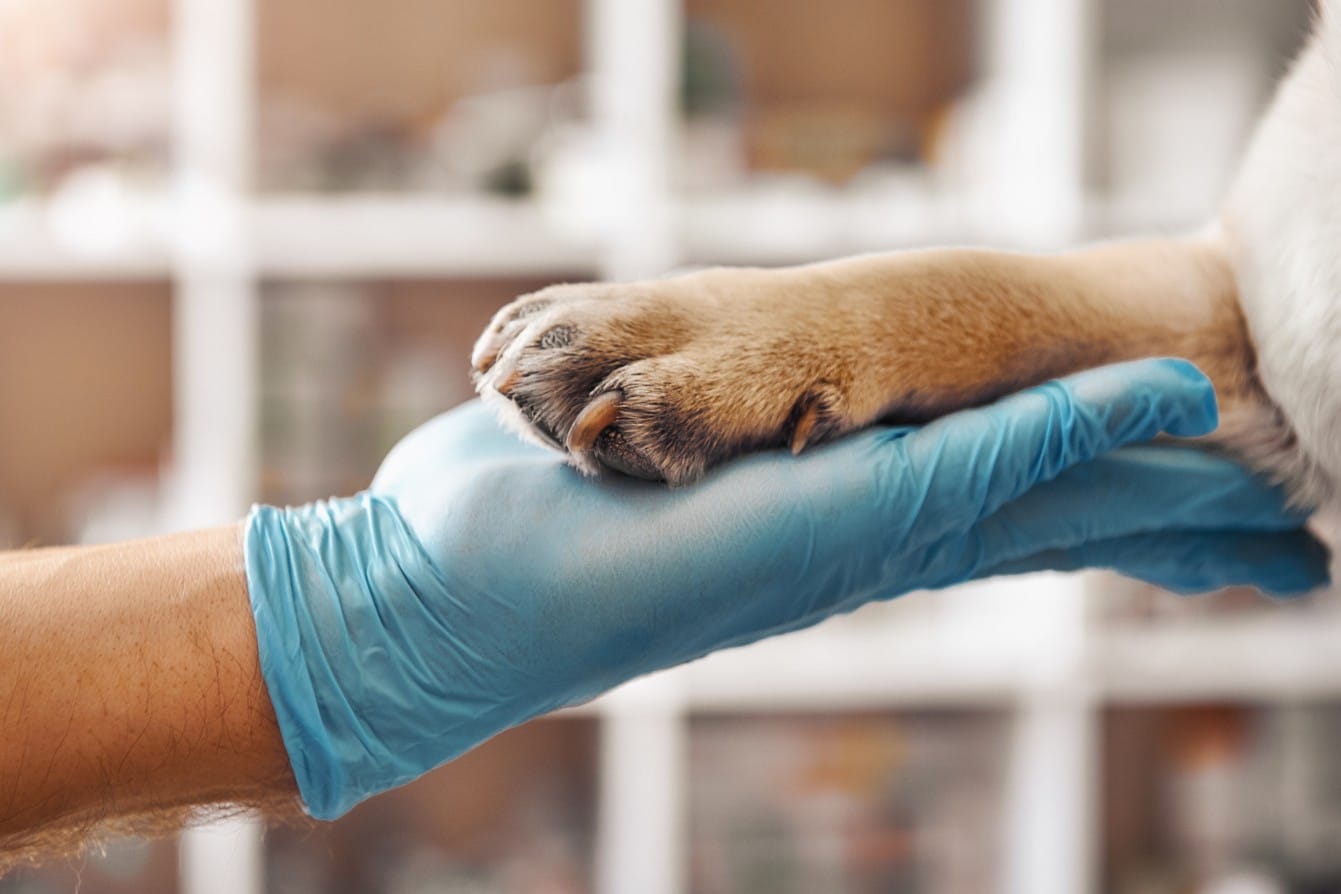
If your dog or cat seems perfectly healthy, it’s fair to wonder what a checkup actually accomplishes. Here’s the short answer to what happens during a pet wellness exam: your veterinarian talks with you about your pet’s daily life, records weight and vital signs, examines every major body system from nose to tail, reviews vaccines and parasite prevention, recommends screening tests when they make sense, and sends you home with a care plan built around your pet. At Embrace Vet Care in Centerton, AR, we walk you through each step as it happens, so nothing about the visit feels like a mystery.
That last part matters to us. A panel of veterinary experts writing in the Journal of the American Veterinary Medical Association outlined 25 separate components of a thorough baseline physical exam. Most of that is easy to miss unless someone explains it, and we believe owners who understand the exam make more confident decisions.
This Article Will Address
- The parts of a typical wellness visit, from start to finish
- What your veterinarian looks for in each body system
- How routine checkups catch problems before symptoms appear
- How much time to set aside for the appointment
- Simple ways to keep your pet calm before and during the visit
- Useful questions to bring to your pet’s next checkup
What Is Included in a Pet Wellness Exam?
A complete wellness visit includes six parts: a conversation about your pet’s history and habits, weight and vital signs, a hands-on physical exam, a review of vaccines and parasite prevention, screening tests matched to your pet’s age and risk, and a personalized plan you take home. Here’s how each piece fits in:
- History and lifestyle review: We ask about appetite, thirst, energy, bathroom habits, and behavior.
- Weight and vital signs: Temperature, heart rate, breathing rate, and body condition give us a starting snapshot.
- Nose-to-tail physical exam: Your veterinarian checks each body system by looking, listening, and gently feeling.
- Vaccine and parasite review: We match vaccines and flea, tick, heartworm, and intestinal parasite protection to how your pet actually lives.
- Screening tests when appropriate: Bloodwork, a urine test, fecal testing, or a heartworm test may be recommended.
- A care plan: Before you leave, we summarize what we found and what comes next.
The conversation is often the most revealing part of the visit. A comment like “she’s been drinking more water lately” can point us toward kidney or blood sugar testing. Dr. Sandy Jernigan also looks at joint mobility and mental wellness during every comprehensive exam, because a dog who hesitates on the stairs or a cat who has started hiding more is telling us something too. Our wellness care for pets treats these pieces as one connected picture, not a checklist.
What Does a Vet Check During a Routine Exam?
During a routine exam, your veterinarian checks every major body system, including the eyes, ears, mouth, heart, lungs, abdomen, joints, skin, lymph nodes, and nervous system. What makes the exam useful is knowing what each check can reveal:
- Eyes: cloudiness, redness, discharge, or changes in how the pupils respond to light
- Ears: redness, odor, debris, or signs of mites and infection
- Mouth and teeth: tartar, inflamed gums, broken teeth, and bad breath that can signal dental disease
- Heart and lungs: murmurs, irregular rhythms, or abnormal breathing sounds heard through the stethoscope
- Abdomen: the size and feel of organs like the liver, kidneys, and bladder, plus any tenderness
- Joints and muscles: stiffness, reduced range of motion, or muscle loss that may point to arthritis
- Skin, coat, and lymph nodes: new lumps, thinning fur, parasites, or swollen nodes
- Nervous system: balance, reflexes, and alertness
We record each finding for comparison at the next visit. If something needs a closer look, our routine pet exams connect directly to on-site diagnostics like digital X-rays and ultrasound, so we can often take that next step without sending you somewhere else.
Can a Wellness Exam Detect Early Health Problems?
Yes. A routine checkup is one of the best tools available for catching disease early, often before your pet shows any sign of being sick. Dogs and cats instinctively hide discomfort, so by the time a problem is obvious at home it has usually been developing for a while. Conditions that regular exams frequently catch early include:
- Dental disease, which often starts below the gumline where owners can’t see it
- Kidney disease, which can show up in bloodwork before appetite or thirst changes
- Diabetes and thyroid disorders, often first hinted at by a shift in weight
- Heart murmurs and rhythm changes
- Arthritis, especially in pets who seem to be “just slowing down”
- Skin masses while they are still small and easier to address
Preventive bloodwork plays a big role, even for healthy pets. A normal result today becomes your pet’s baseline, which makes subtle changes much easier to spot next year. Because our labwork is done on-site, we can review many results with you quickly and decide on next steps together. The American Veterinary Medical Association notes that problems found in their early stages are generally easier and less expensive to treat, with better odds of success.
How Long Does a Pet Wellness Visit Take?
Most wellness exams take about 30 to 45 minutes from check-in to checkout. Visits run longer when several vaccines are due, blood is drawn, or you have a new concern.
We don’t rush this visit. Time to talk is built into every appointment, and if your pet gets nervous, we would rather slow down than push through. Senior pets and pets with ongoing conditions like arthritis or heart disease may need a little more time, since there is more to monitor and discuss.
How Can I Help My Pet Stay Calm During Their Exam?
The best ways to keep your pet calm are to make the trip feel familiar, bring comforts from home, and choose a practice that uses gentle, low-stress handling. A few small steps make a noticeable difference:
- Leave your cat’s carrier out at home for several days with a soft blanket and treats inside, so it stops signaling a vet trip
- Bring a favorite toy, blanket, or treats, unless we’ve asked you to hold food before bloodwork
- Take a short, calm car ride or two beforehand so the car isn’t linked only to appointments
- Tell us ahead of time if your pet has struggled at past visits
On our side, reducing stress is part of the medicine. Our team uses gentle handling, gives pets time to settle in, and adjusts how we examine a nervous animal. For pets with significant fear, we can plan anxiety reduction strategies before the next visit. A calmer pet also gives us more accurate information, since fear can raise heart rate, body temperature, and even blood sugar readings in cats.
What Questions Should I Ask During My Pet’s Checkup?
Ask about anything that has changed at home, plus a few questions that help you understand your pet’s plan. Good questions to bring include:
- Is my pet at a healthy weight, and how much should I be feeding?
- Which vaccines does my pet need based on their lifestyle?
- What parasite prevention do you recommend, and should it be year-round?
- Do my pet’s teeth need a professional cleaning?
- Are there health risks common to my pet’s breed or age that I should watch for?
- Is this behavior I’ve noticed normal, or worth looking into?
- What changes at home should prompt a call before the next visit?
Writing questions down ahead of time helps. You’re also welcome to ask how a recommendation fits your budget. Our Pet Wellness Plan bundles exams, vaccines, and preventive treatments into a monthly rate, and Dr. Jernigan is always glad to walk through options with you. If a question leads toward nutrition, behavior, or dental care, our full range of veterinary services means that conversation can continue under one roof.
Schedule Your Pet’s Wellness Exam with Embrace Vet Care
A wellness exam is the simplest way to know your pet is truly doing well and to catch the things they can’t tell you. Embrace Vet Care is welcoming new and returning dogs and cats, and our team would love to meet yours. Schedule a wellness visit with Dr. Jernigan today and give your pet a thorough, unhurried checkup in Centerton, AR.
Sources
Dr. Sandy Jernigan
Dr. Sandy Jernigan is the owner and lead veterinarian at Embrace Vet Care in Centerton, AR, with over eight years of experience in small animal medicine. She’s passionate about whole-body wellness and building lasting relationships with pet owners throughout Northwest Arkansas.
Have questions about your pet’s health? Dr. Jernigan and the caring team at Embrace Vet Care are here to help, committed to educating pet owners and providing tailored care for every furry family member.
